

Pollution Poses a Threat to Eye Health; Doctor Explains Why Your Eyes Burn and Water
Rising air pollution can cause eye irritation, itching, burning and excessive watering. Toxic pollutants and fine particles can damage the tear film, the eye’s protective layer. Dr Kamini Singhal, Head of the Eye Department at Aruna Asaf Ali Hospital, advises limiting outdoor exposure, wearing protective glasses and avoiding rubbing the eyes.
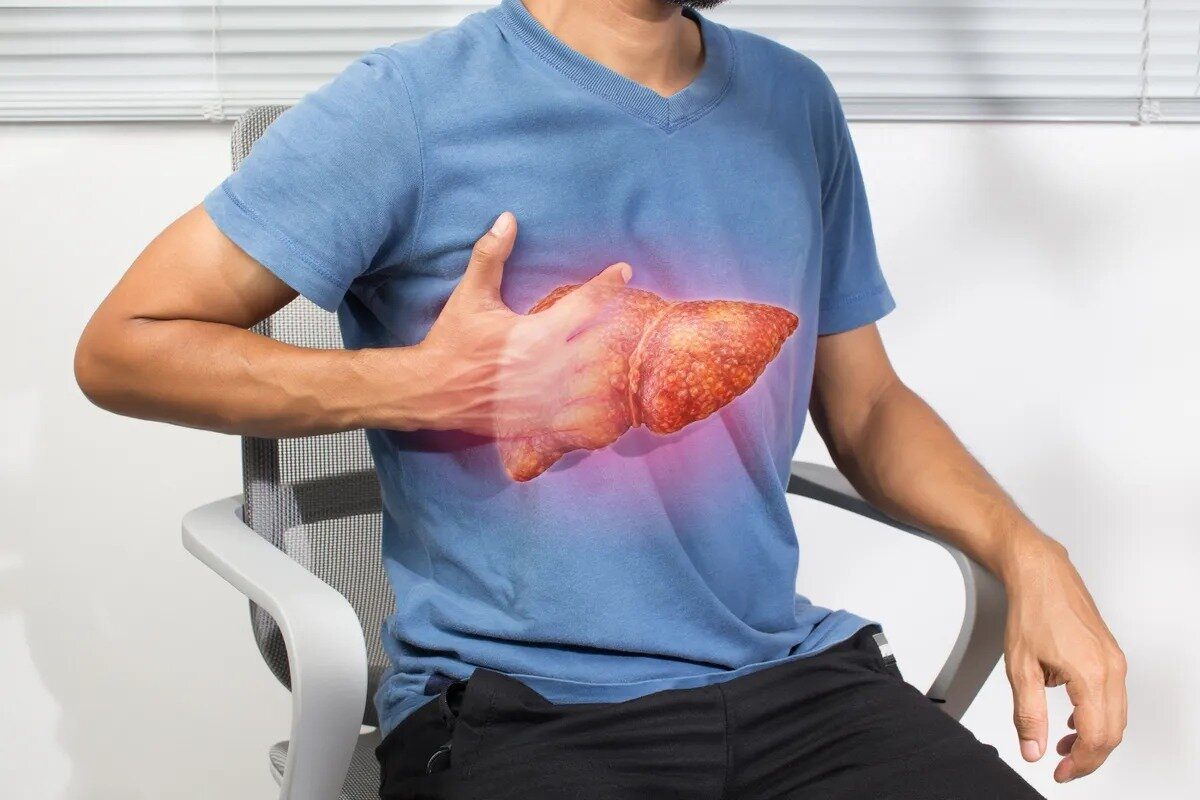
Fatty Liver: These Exercises May Help Reduce Liver Fat, From Brisk Walking to Strength Training
Regular physical activity can play an important role in managing fatty liver disease. Experts suggest that brisk walking, jogging, cycling, swimming, yoga and strength training may help reduce liver fat and improve metabolic health. A balanced combination of cardio and muscle-strengthening exercises can support liver health and overall fitness.

Chhath Puja’s 36-Hour Waterless Fast: How Does the Body Cope and understand necessary precautions
During Chhath Puja, devotees observe a rigorous fast lasting around 36 hours without food or water after Kharna. The body initially uses stored glycogen for energy and later turns to fat. Lack of water can cause dehydration, dizziness, weakness and low blood pressure, making medical precautions important.

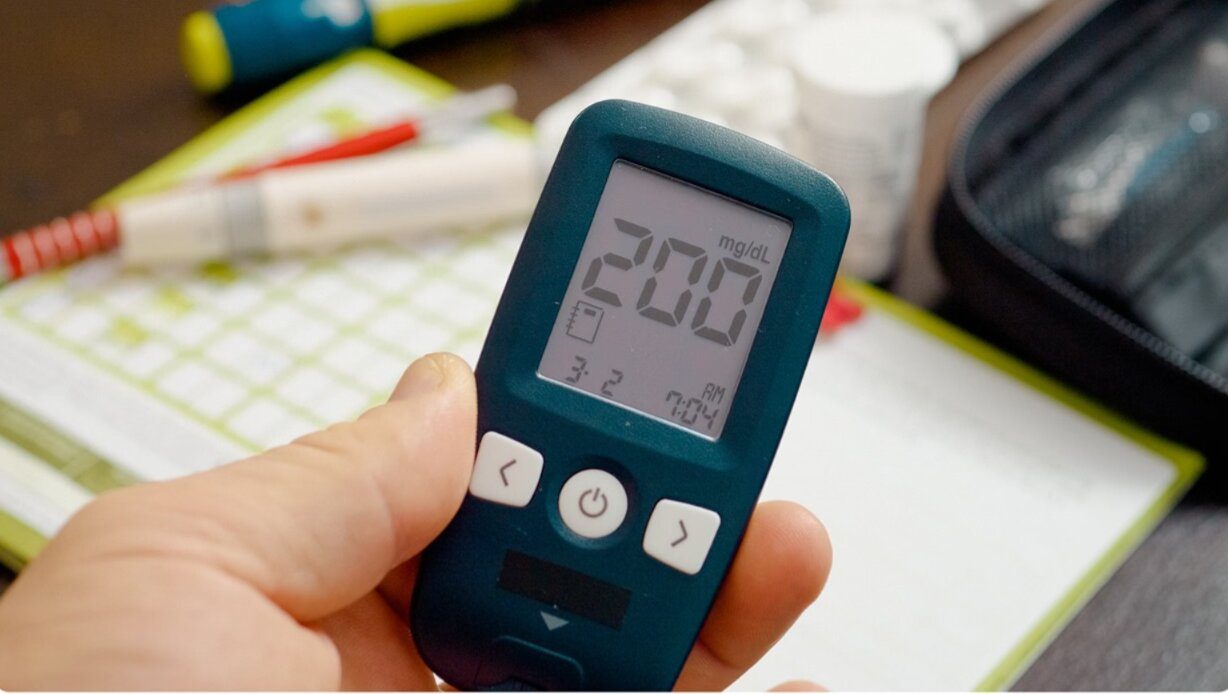
World Diabetes Day: What Should Your Fasting Blood Sugar Be? Understand Diabetes Risk Through 70, 10
On World Diabetes Day, understand the ideal fasting blood sugar range. For adults, 70–99 mg/dL is considered normal, 100–125 mg/dL indicates prediabetes, while 126 mg/dL or above may suggest diabetes. A fasting blood glucose test requires at least eight hours without food. Further testing may be needed for confirmation.

WHO Warns New COVID-19 Variant May Resemble Flu Symptoms
The World Health Organization has warned that symptoms of the PJ.2.1 COVID-19 variant, spreading across several countries, may resemble common cold and influenza. WHO said symptoms alone cannot distinguish these infections, making testing important. Identifying the virus can help guide appropriate treatment and inform necessary public health measures, officials stressed.

Frequent Sore Throat in Winter: 7 Common Causes and Tips to Prevent Infections
Cold and dry air, viral infections, pollution, allergies and inadequate water intake can cause frequent throat irritation during winter. Smoking, excessive shouting and taking antibiotics without medical advice may worsen the problem. Staying hydrated, maintaining hand hygiene, avoiding smoke and gargling with warm salt water may help soothe throat discomfort.

Is Excessive Screen Time Affecting Children's Focus, Reels Addiction Could Be a Reason
Increasing smartphone and short-video use among children may affect their concentration, sleep and mental well-being. Health experts warn that excessive screen time can make it difficult for children to focus on a single task for longer periods. Irritability, impatience and reduced interest in studies may also be associated with excessive digital consumption.

Knee and Joint Pain Increasing Among Young People; 10–15 Patients Visit Amethi Hospital Every Day
Young people are increasingly reporting knee and joint pain at Amethi District Hospital, where 10–15 such patients visit daily. Senior orthopaedic specialist Dr Hanuman Prasad says irregular eating habits and excessive junk food consumption may be linked to health problems. He advises a balanced diet containing green vegetables, seasonal fruits, milk and curd.

Figs May Help Improve Heart Health, Support Cholesterol and Blood Pressure Management
Figs may be small, but they are packed with essential nutrients. Rich in dietary fibre, potassium and polyphenol antioxidants, they may support heart health by helping manage bad cholesterol and blood pressure. Fig leaf extracts have also shown potential benefits for blood sugar control, although more research is needed. People with diabetes should limit dried figs.