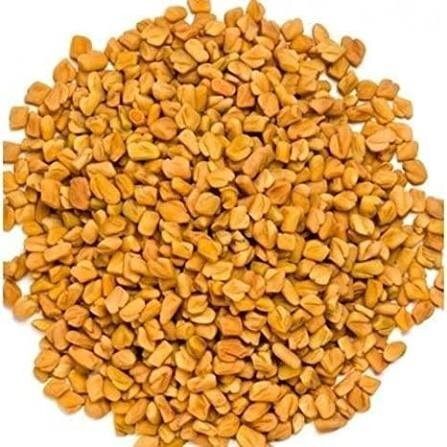
Fenugreek Is Healthy, but Excessive Consumption May Cause These Side Effects
Brief By Newsbrief / 6:24 PM on 22 Nov 2026
Fenugreek, commonly known as methi, is considered beneficial for health because it contains fibre, iron and several essential nutrients. It may support digestion, provide nutritional benefits and help manage blood sugar levels. However, consuming excessive quantities can also lead to health problems.
Speaking to Local18, Ayurveda practitioner Dr Rajkumar said that fresh fenugreek is widely available during winter, when people include it in their diets through vegetables, parathas and seeds. According to him, a bowl of cooked fenugreek vegetable can be included in the daily diet. Those consuming fenugreek seeds may take around half to one teaspoon, approximately 3–5 grams, of soaked seeds.
Excessive consumption may cause digestive problems such as gas, bloating, diarrhoea and abdominal cramps. Some people may also experience nausea, dizziness or allergic reactions, including itching, swelling and skin rashes.
Fenugreek may lower blood sugar levels. Therefore, people taking diabetes medication should be particularly cautious about consuming large quantities, as it may increase the risk of low blood sugar.
Experts recommend including fenugreek in a balanced diet and avoiding excessive consumption.