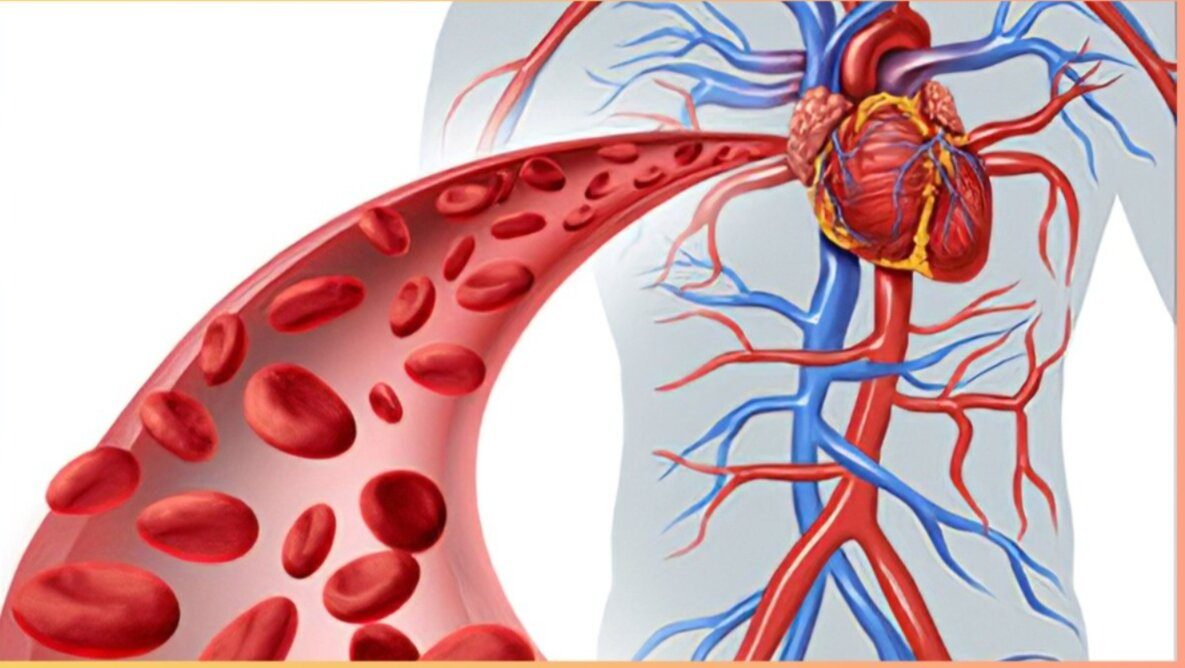
Winter Health Alert: Can Cold Weather Make Your Blood Thicker? Know Its Impact on Circulation
Brief By Newsbrief / 5:40 PM on 21 Nov 2026
Winter brings more than seasonal infections and respiratory problems. Cold weather can also affect blood circulation and cardiovascular health. When the body is exposed to low temperatures, blood vessels near the skin constrict to conserve heat. This increases resistance to blood flow and can raise blood pressure.
Medical reports suggest that cold exposure may also influence blood viscosity, platelet activity and certain clotting factors under specific circumstances. These changes may contribute to a higher risk of circulation-related complications in vulnerable individuals.
Dehydration can make the situation worse. People often drink less water during winter because they feel less thirsty. When the body loses fluids, the liquid component of blood can decrease, potentially increasing its concentration and viscosity.
Older adults and people with high blood pressure, diabetes or existing heart conditions should be particularly careful during colder months. Health experts recommend drinking adequate fluids, wearing warm clothing, avoiding sudden strenuous exercise in extreme cold and keeping blood pressure and blood sugar under control.
Warning signs such as chest pain, sudden breathlessness, weakness in the face or arms, or difficulty speaking require immediate medical attention. Prompt treatment can be crucial in preventing serious complications.