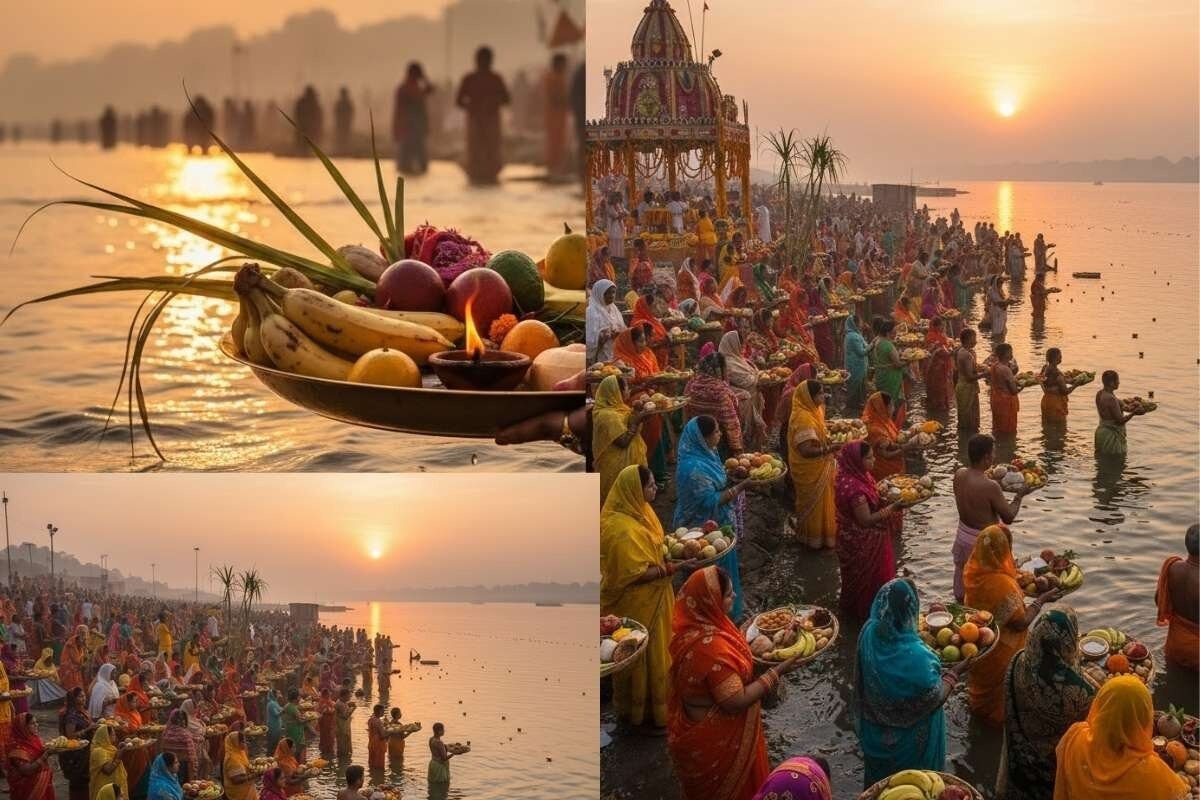
Chhath Puja’s 36-Hour Waterless Fast: How Does the Body Cope and understand necessary precautions
Brief By Newsbrief / 2:34 PM on 12 Nov 2026
Chhath Puja devotees observe a rigorous fast of around 36 hours after Kharna, avoiding both food and water until offering prayers to the rising Sun. While the fast holds deep religious significance, it can put considerable stress on the body.
According to the article, when food is unavailable, the body initially uses glycogen stored in the liver and muscles for energy. During an 18–36-hour fast, these reserves may become significantly depleted. The body then increases its use of stored fat, producing substances called ketones that can provide energy to certain organs.
A lack of water can lead to dehydration. The kidneys try to conserve water, resulting in reduced urine output and darker urine. Dehydration may also lower blood volume and blood pressure, causing dizziness, weakness and a rapid heartbeat. An imbalance in sodium and potassium levels can trigger muscle cramps and irregular heartbeats. Severe dehydration may also reduce blood flow to the kidneys and cause damage.
People with diabetes or other chronic medical conditions should consult a doctor before undertaking a waterless fast. Fainting, confusion or extreme weakness requires immediate medical attention.