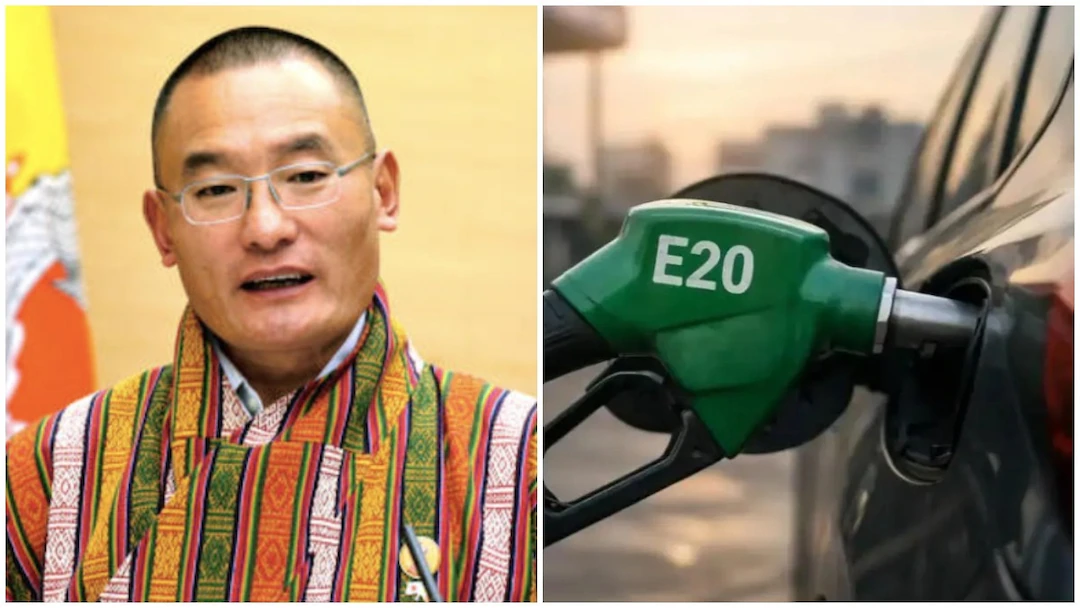
Why Bhutan Rejected India’s E20 Petrol Offer: The Real Reason Behind the Decision
Brief By Newsbrief / 12:17 PM on 05 Jul 2026
Bhutan has reportedly turned down India's proposal to supply E20 petrol, choosing to continue importing conventional petrol instead. According to local reports, Bhutan has asked Indian oil marketing companies to maintain the supply of regular fuel until ethanol-blended petrol becomes practical for the country's infrastructure.
The primary concern is Bhutan's ageing fuel storage system. Most of the country's fuel tanks are underground and are vulnerable to water seepage. Since ethanol is highly hygroscopic, meaning it readily absorbs moisture from the surrounding environment, officials fear that E20 petrol could become contaminated more easily than conventional fuel. Water contamination can reduce fuel quality, accelerate corrosion in storage tanks and pipelines, and potentially impact engine performance.
Bhutan's mountainous geography has also influenced the decision. Vehicles operating in steep and remote regions require consistent engine performance and reliability. Authorities believe ethanol-blended fuel may not deliver the same level of dependability under these demanding conditions, particularly when combined with storage-related challenges.
India's E20 fuel consists of 20% ethanol and 80% petrol and is part of the government's strategy to reduce crude oil imports and promote cleaner energy. However, the rollout has generated debate, especially among owners of vehicles manufactured before 2023, who have raised concerns about mileage, maintenance costs, and long-term engine compatibility. The government maintains that any reduction in fuel efficiency is minimal and is offset by improved engine performance.
Bhutan currently imports premium export-grade petrol and diesel from India and has also requested advance notice if India increases ethanol blending further in the future. Officials have additionally sought leak-proof storage infrastructure before considering ethanol-based fuels.
Bhutan's decision highlights that fuel policies cannot be applied uniformly across all countries. Local geography, climate, storage infrastructure, and vehicle requirements play a critical role in determining whether higher ethanol blends are suitable for a particular market.