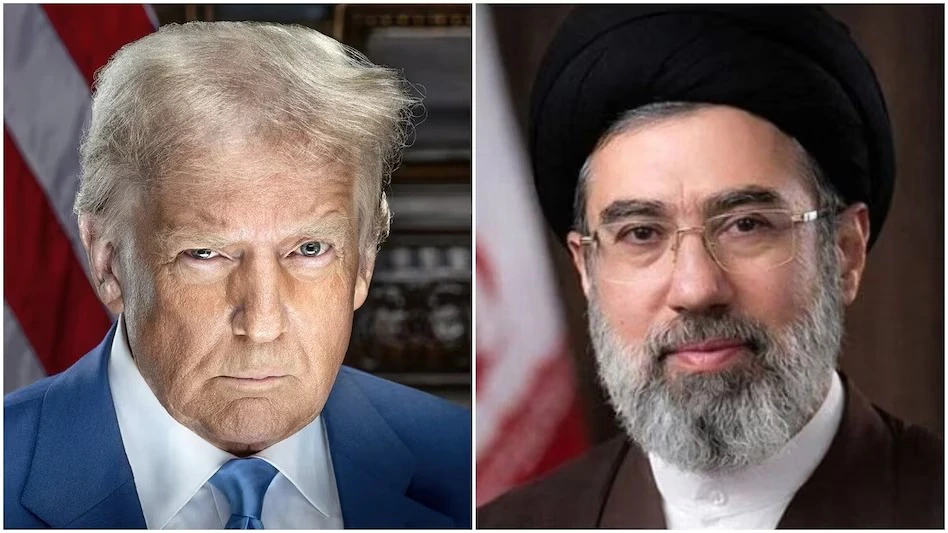
Trump Announces Iran Peace Deal, But Israel Intensifies Strikes, Raising Fears of Wider Conflict
Brief By Newsbrief / 10:13 AM on 16 Jun 2026
The United States and Iran have reportedly reached a peace agreement, with President Donald Trump announcing the breakthrough and Iran confirming the development. As part of the deal, Trump declared the reopening of the strategically vital Strait of Hormuz to global commercial shipping and the removal of related blockades. The conflict had reportedly begun after a U.S.-Israel attack on Iran on February 28. Iran’s Supreme National Security Council has also approved the agreement.
The deal was electronically signed by U.S. President Donald Trump, Vice President JD Vance, and Iranian Parliament Speaker Mohammad Bagher Ghalibaf, who led Iran’s negotiating team. A formal signing ceremony is scheduled to take place in Geneva, Switzerland, on Friday.
However, even as diplomatic efforts gained momentum, Israel intensified its military operations against Iran and Iran-backed groups, including Hezbollah and other regional militias. The Israeli government, led by Prime Minister Benjamin Netanyahu, has signaled that it is unwilling to rely solely on Washington’s diplomatic initiatives when it comes to national security concerns.
According to Iran’s state media outlet IRIB, Israel launched fresh strikes on the southern Lebanese towns of Jowtar, Markaba, and Khiam less than 24 hours after the U.S.-Iran deal was finalized. The attacks have raised concerns that the region could once again slide toward a broader conflict.
Netanyahu has repeatedly emphasized that Israel will not compromise on issues related to its security and survival. Israeli officials reportedly believe that any agreement with Tehran will remain unreliable unless Iran’s nuclear program is completely dismantled and its regional proxy networks are neutralized.
The Trump administration’s reported framework includes sanctions relief for Iran and the reopening of the Strait of Hormuz in exchange for measures involving Iran’s enriched uranium stockpile. However, Israel fears that the deal could allow Iran to rebuild its economy and potentially advance its nuclear ambitions, making the agreement’s long-term durability uncertain.