
.jpeg)
Potential Earth-like Exoplanet Discovered by Spanish Scientists
Spanish scientists have confirmed two exoplanets, TOI-1752 b and TOI-1752 c, orbiting the same star. While TOI-1752 b is an extremely hot world that may have molten rock, researchers believe TOI-1752 c could potentially be habitable. Its conditions may allow liquid water, making it a promising candidate for study beyond our solar system.
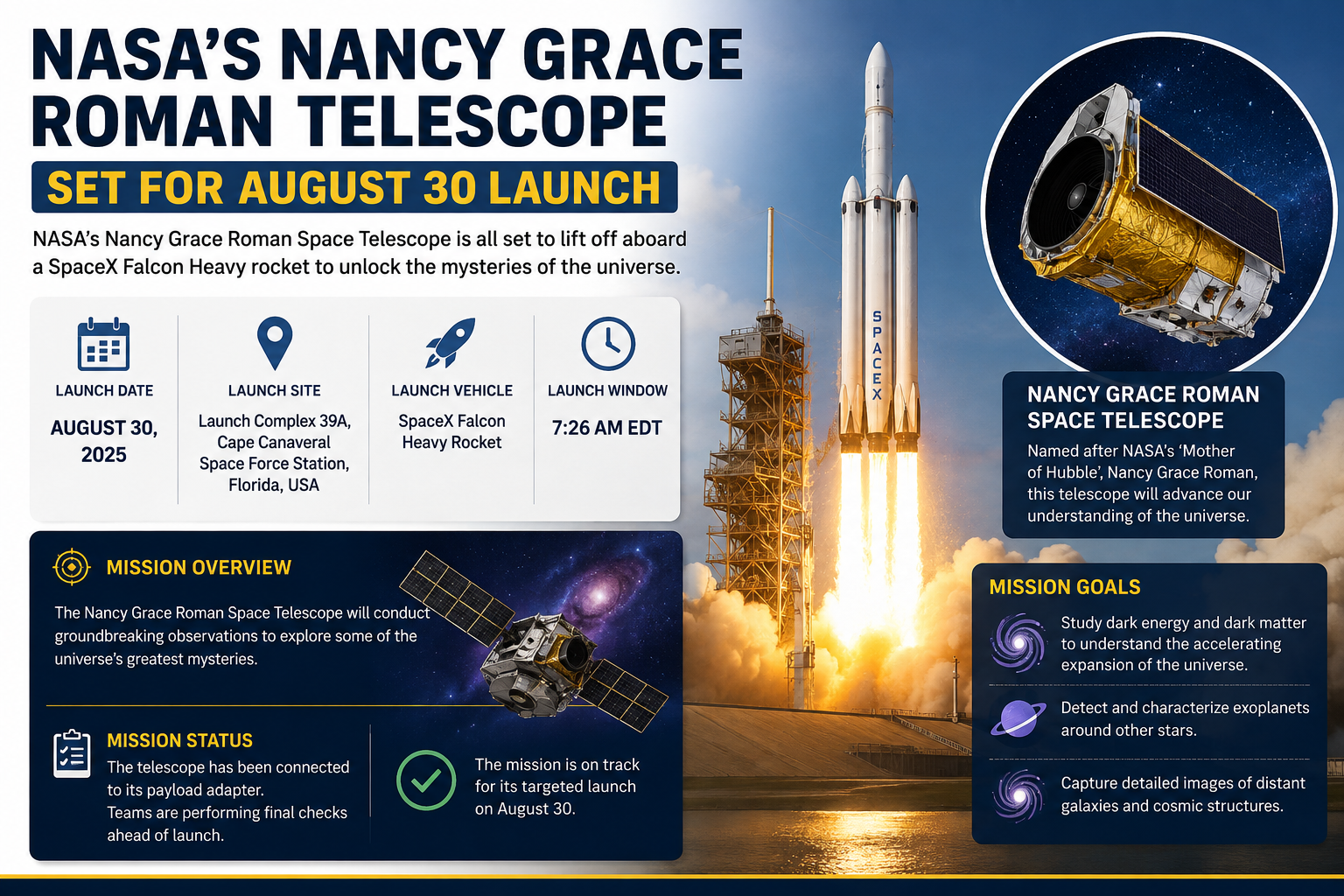
NASA’s Nancy Grace Roman Telescope Set for August 30 Launch
NASA’s Nancy Grace Roman Space Telescope is scheduled to launch August 30 aboard a SpaceX Falcon Heavy rocket from Florida. The observatory will study dark energy, exoplanets and distant galaxies. Teams have connected the telescope to its payload adapter and are preparing for checks ahead of the mission’s targeted launch.
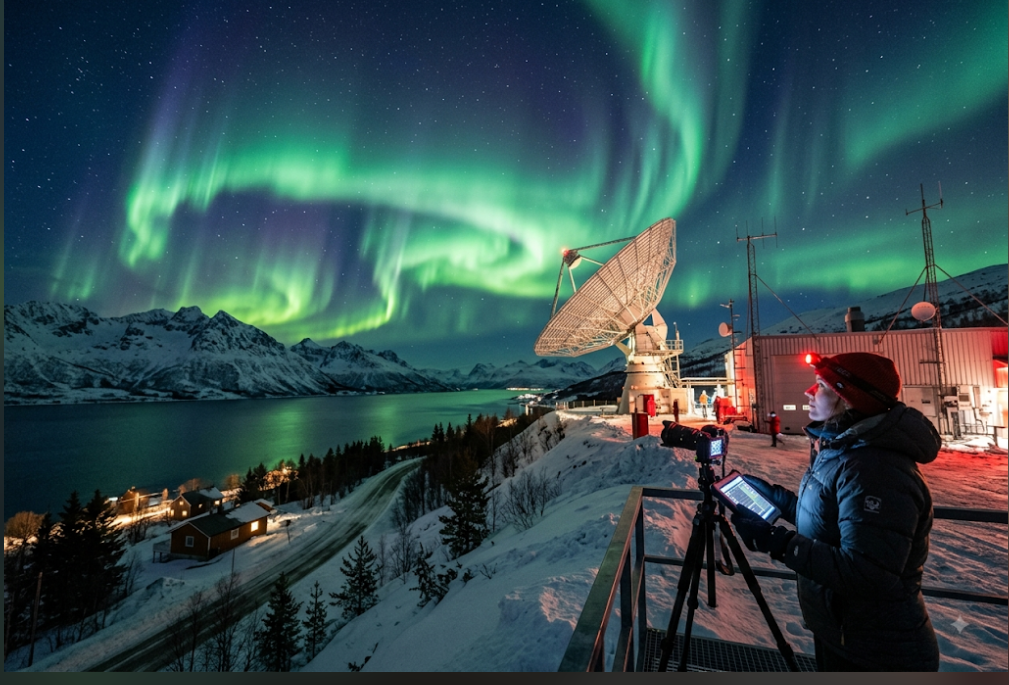
G1 Geomagnetic Storm Expected to Reach Earth
A coronal mass ejection triggered by a solar eruption on August 14 is expected to reach Earth on August 17, potentially producing a G1-class geomagnetic storm. The minor storm could generate auroras at high latitudes and temporarily affect satellites, radio communications and navigation systems. However, no significant impact on the public is expected, while experts monitor conditions around the world.

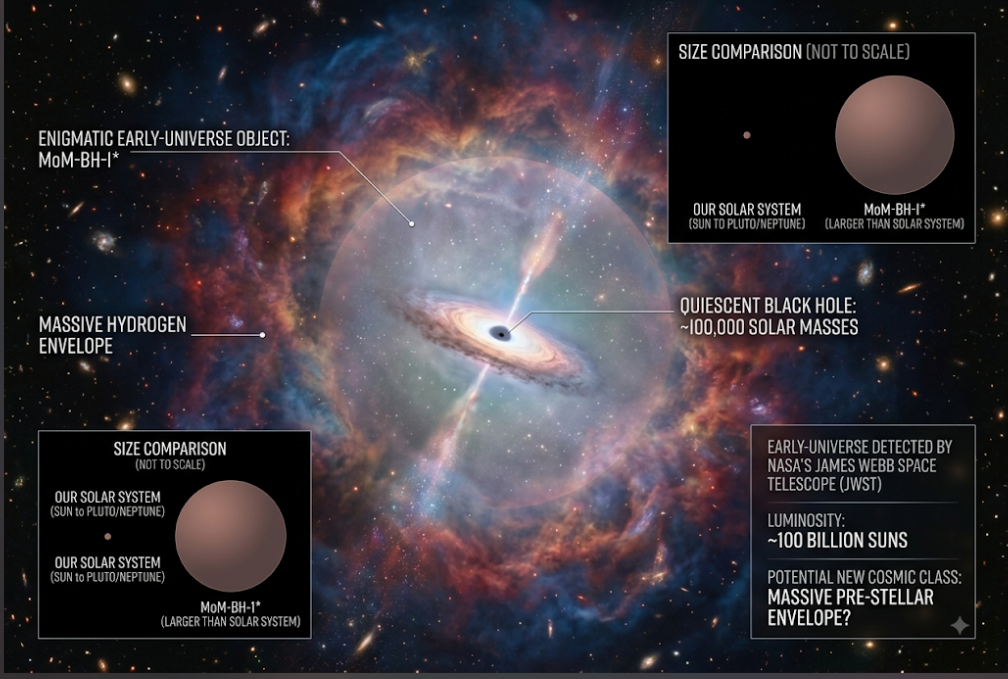
Astronomers Spot Enigmatic Early-Universe Object Larger Than Solar System
Astronomers using NASA’s James Webb Space Telescope identified MoM-BH-1*, an object from the early universe larger than our Solar System. It shines like 100 billion Suns and may contain a black hole 100,000 times the Sun’s mass, surrounded by a hydrogen envelope. Researchers say it could represent a cosmic class.
.jpeg)
NASA Invites ISRO to Join Moon Base Programme Under Artemis Accords
NASA has invited the Indian Space Research Organisation (ISRO) to join its Moon Base programme, strengthening cooperation under the Artemis Accords. The two sides have also agreed to advance discussions on sharing open scientific data. The partnership aims to deepen India-US collaboration in lunar exploration while promoting better governance and peaceful, scientific use of outer space for humanity's shared future.
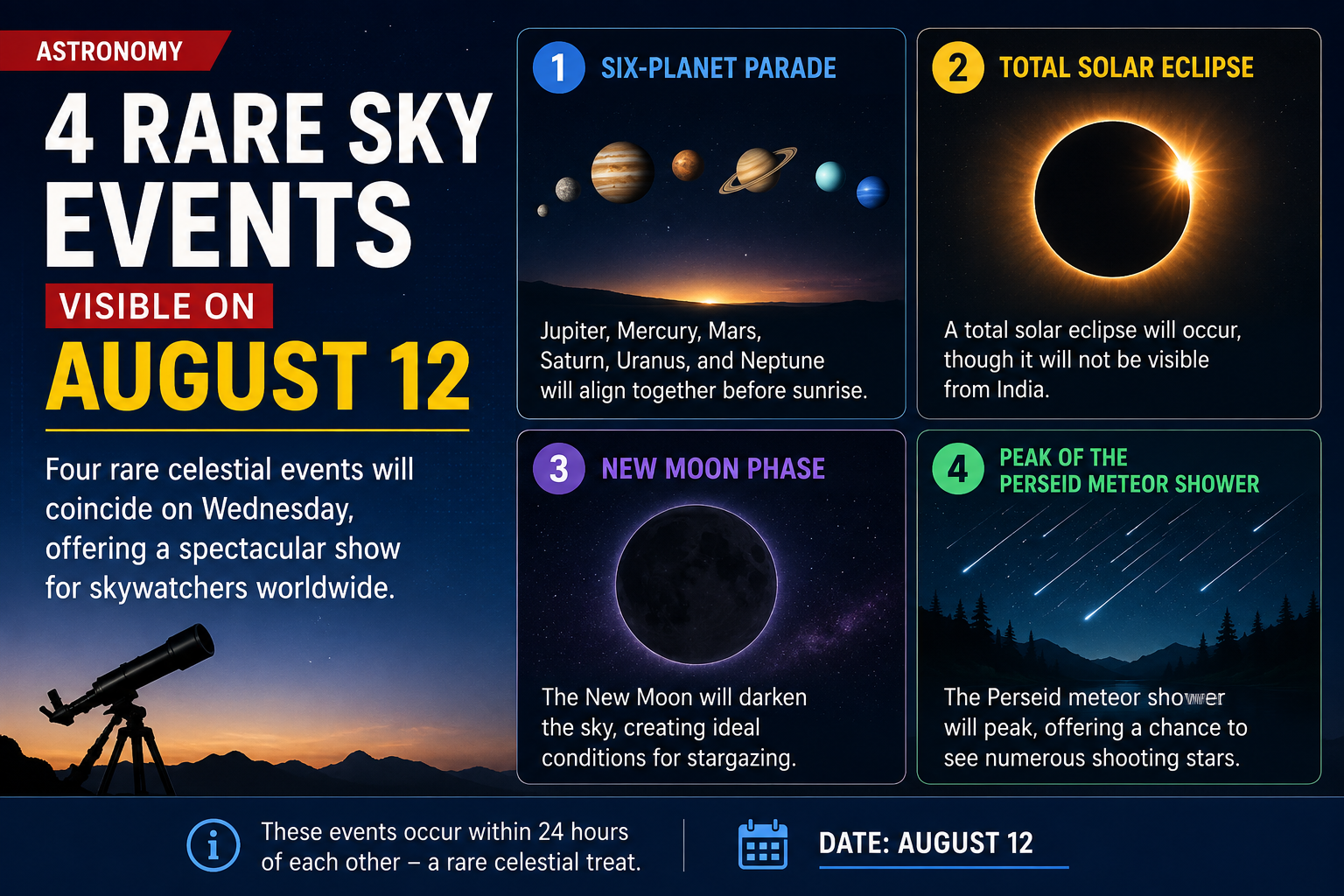
Rare Sky Events Set to Dazzle Observers on August 12
Four celestial events occur on August 12, including a six-planet alignment, solar eclipse, New Moon and Perseid meteor shower peak. Jupiter, Mercury, Mars, Saturn, Uranus and Neptune appear aligned before sunrise. The New Moon will darken skies, improving meteor visibility, while the solar eclipse will not be visible from India.

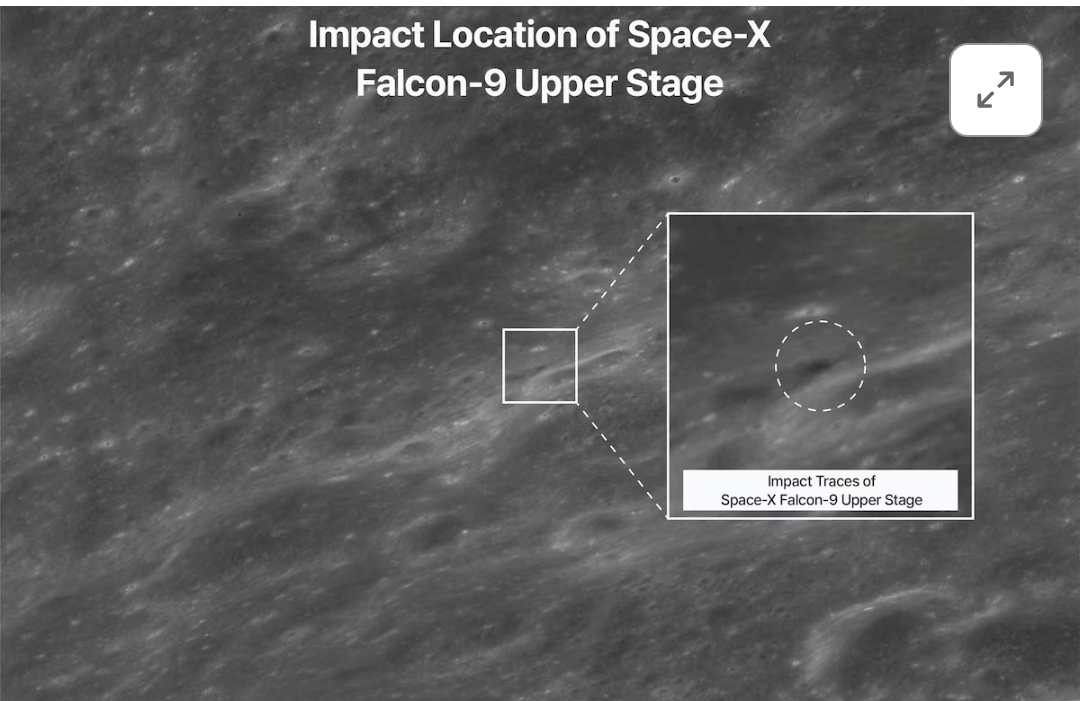
Moon Impact Images Reveal SpaceX Rocket Crash Aftermath
Newly released composite images compare the Moon's surface before and after a discarded SpaceX Falcon 9 rocket stage struck near Einstein Crater. The four-tonne object hit at about 8,700 kmph, likely creating a new crater while ejecting a brief plume of lunar dust illuminated by sunlight. SpaceX said the impact was unintentional.
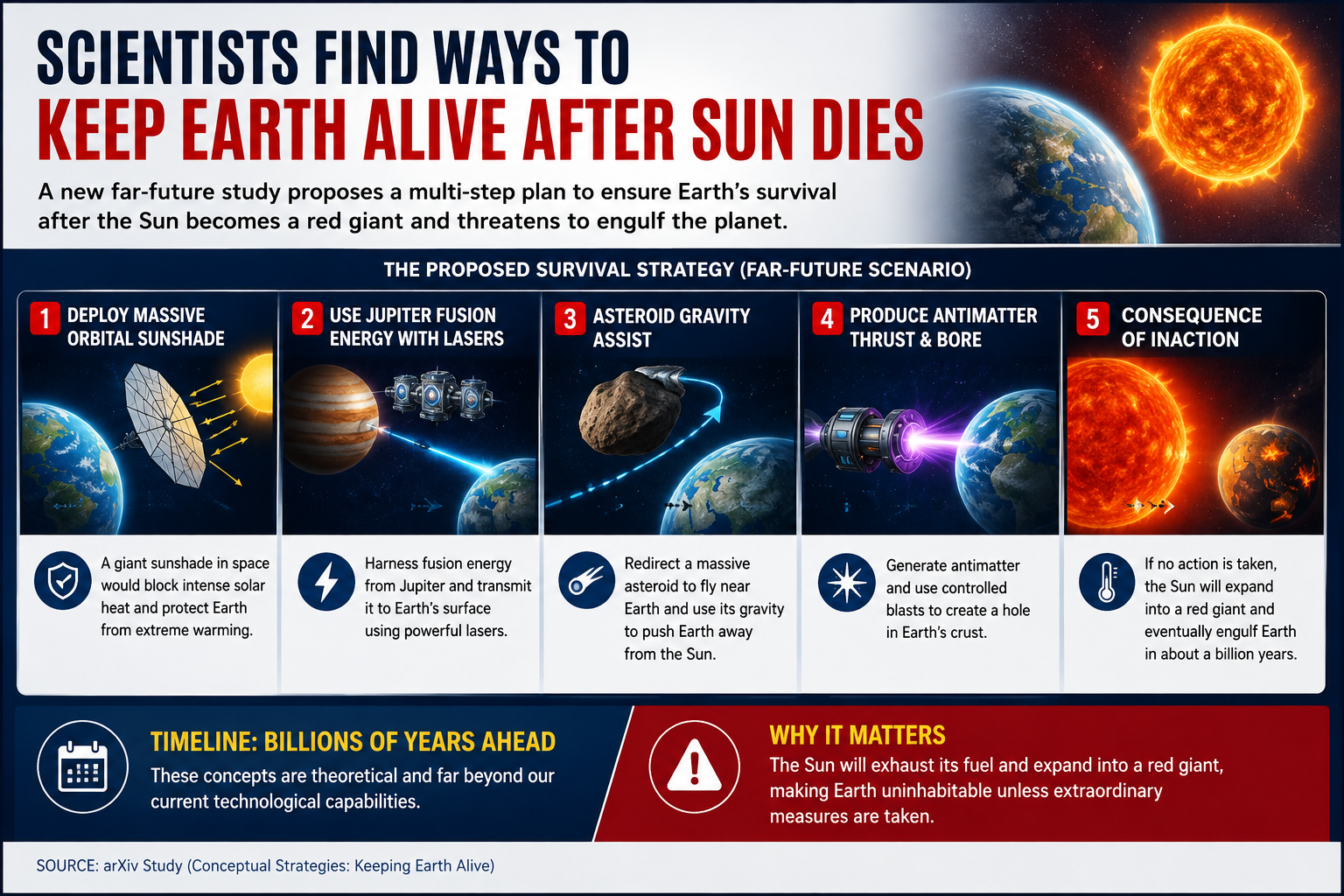
Scientists Outline Futuristic Strategies To Extend Earth's Survival
Scientists have proposed a series of far-future concepts that could help Earth survive the Sun's evolution, including giant orbital sunshades, asteroid-assisted orbital shifts, space-based energy systems and advanced antimatter technology. The theoretical ideas aim to counter the Sun's eventual expansion billions of years from now, though they remain highly speculative and far beyond current technological capabilities.
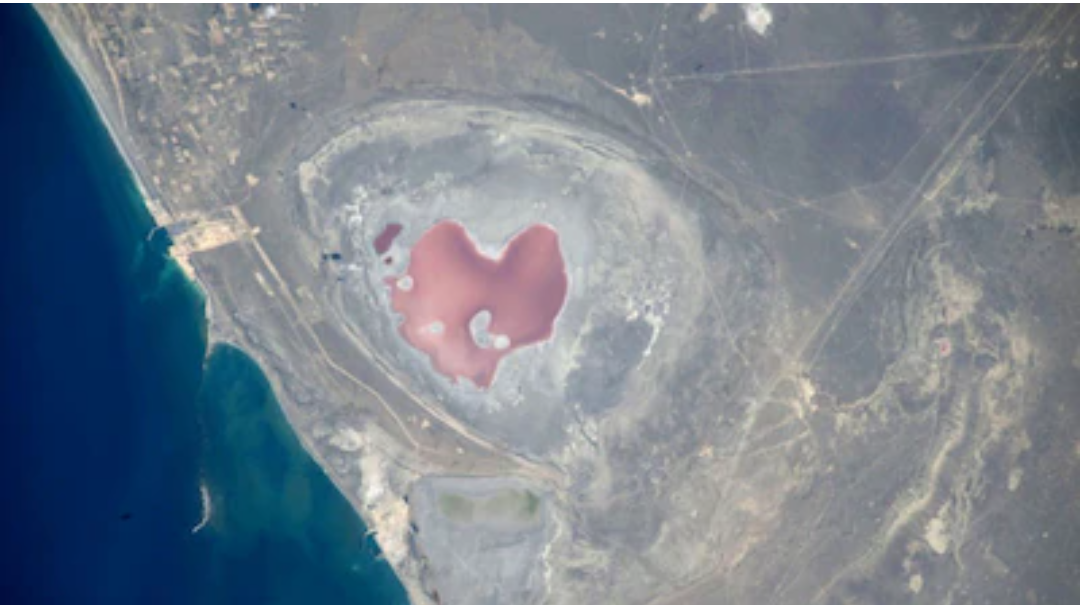
This Heart-Shaped Lake Seen From Space Has the Internet Falling in Love
French astronaut Sophie Adenot shared a striking image of a naturally heart-shaped lake captured from the International Space Station during her 171st day in orbit. Calling it a reminder that Earth is “still worth caring for,” her emotional post quickly captivated social media, inspiring admiration for the planet’s unexpected natural beauty and fragile wonders.