Saffron Farming: Why This Expensive Spice Is So Hard to Grow
Brief By Abplive.com / 1:23 PM on 15 Aug 2026
Saffron is one of the world’s most expensive spices and is widely valued for its rich colour, distinctive aroma and unique taste. Although saffron is strongly associated with Kashmir in India, farmers in other hill states have also started experimenting with its cultivation. Himachal Pradesh and Uttarakhand have reported successful efforts in growing the crop.
Kashmir remains the traditional centre of saffron cultivation in India. The region’s cool climate and suitable soil conditions provide an ideal environment for the crop. Pampore in Pulwama district is particularly famous for saffron production and is often called the “Saffron Bowl” of Kashmir. Areas around Budgam and Srinagar are also known for cultivation.
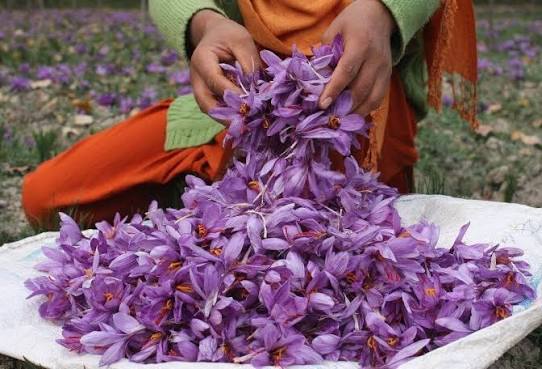
Saffron cultivation generally begins around August. The plants start producing beautiful purple flowers towards the end of October or during the first week of November. Inside each flower are thin red-orange strands known as stigmas. These delicate strands are carefully collected, dried and processed to produce saffron.
One major reason for saffron’s high price is its extremely low yield. A single flower produces only three saffron strands. It is estimated that around 150 to 200 flowers may be required to produce just one gram of saffron. This makes the crop both valuable and labour-intensive.
Growing saffron is not easy. The crop requires a cool climate and well-drained soil. Excess moisture can damage or rot the corms, potentially affecting the entire crop. Weather changes can also create risks for farmers.
Harvesting is another challenging stage. Saffron flowers are generally picked by hand during the early morning hours. The delicate stigmas must then be separated and dried carefully. Because the process requires significant time, patience and manual labour, saffron farming remains limited but highly valuable.