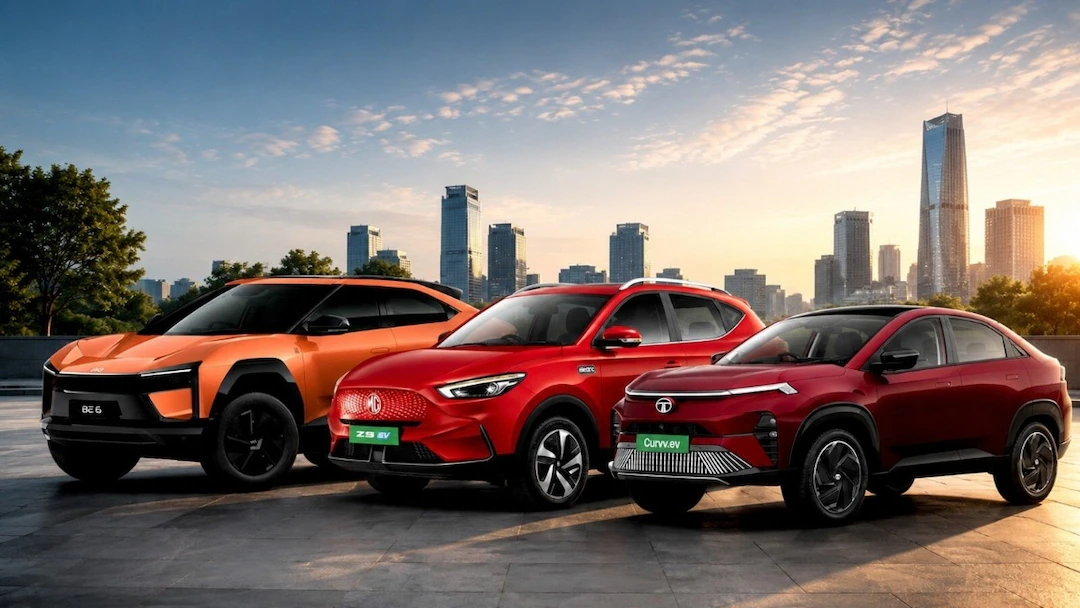
Haryana Announces Major EV Boost: 100% Registration Fee Waiver on Electric Vehicles Up to ₹30 Lakh
Brief By Newsbrief / 4:38 PM on 29 Jul 2026
The Haryana government has unveiled a fresh set of incentives to promote electric mobility, offering significant financial benefits to electric vehicle buyers. The announcements were made by Chief Minister Nayab Singh Saini following a Cabinet meeting in Chandigarh, as part of the state's efforts to encourage cleaner and more sustainable transportation.
Under the new policy, electric vehicles priced up to ₹30 lakh will receive a 100% exemption from registration fees. This means eligible buyers will not have to pay any registration charges when purchasing an electric vehicle, reducing the overall cost of ownership.
The government has also introduced a special incentive for women buyers. Non-transport vehicles registered in the name of a woman, with an ex-showroom price of up to ₹20 lakh, will receive a 1% concession on registration charges. The move is aimed at encouraging greater vehicle ownership among women while supporting inclusive mobility.
Previously, Haryana offered a 20% concession on registration fees for both electric and CNG vehicles. Under the revised policy, the benefit for electric vehicles has now been increased to 100%, while the 20% concession for CNG vehicles will continue unchanged.
The state government expects these incentives to accelerate EV adoption by making electric vehicles more affordable and reducing upfront purchase costs. As demand for electric mobility continues to grow across India, state-level incentives have become an important driver of consumer interest.
Haryana's announcement follows similar initiatives in other states. For example, Delhi offers subsidies of up to ₹30,000 on electric two-wheelers and ₹50,000 on electric three-wheelers, along with a 100% exemption from road tax and registration fees for eligible electric vehicles priced up to ₹30 lakh.
The latest measures are expected to strengthen Haryana's push toward green mobility while supporting the country's broader transition to cleaner transportation.