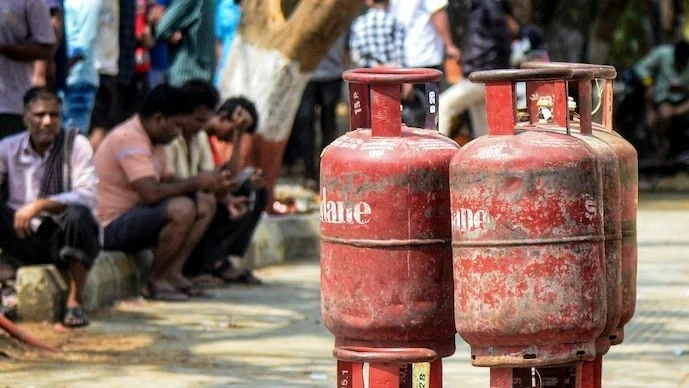
After E20 Fuel, Ethanol May Replace LPG in Indian Kitchens; Government Working on New Cooking Fuel Policy
Brief By Newsbrief / 1:34 PM on 21 Jul 2026
The Indian government is preparing to introduce ethanol as a household cooking fuel, marking another major step in its clean energy transition after the rollout of E20 petrol. The Ministry of Petroleum and Natural Gas is working on a policy that aims to bring ethanol into mainstream domestic cooking, reducing the country's dependence on Liquefied Petroleum Gas (LPG). The policy is expected to be finalized by September.
According to reports, industry associations representing fuel suppliers are holding parallel discussions with the government on the proposed framework. Officials believe ethanol-based cooking can serve as a cleaner alternative while also reducing India's LPG import bill.
The government is also expected to examine subsidy options to encourage the adoption of ethanol-powered cooking stoves. Earlier this year, ethanol-based cookstoves were reportedly tested as a clean cooking solution following government directives. If approved, financial support could help households transition from conventional LPG to ethanol-based cooking systems.
The initiative comes at a time when India's ethanol production capacity has expanded significantly. According to a CareEdge Ratings report released in May, the country's annual ethanol production capacity has already crossed 20 billion litres and is expected to increase by another 4 billion litres during the current financial year.
Currently, around 11 billion litres of ethanol are consumed annually under the E20 petrol blending programme, while the alcohol, pharmaceutical and chemical industries together use another 3–3.5 billion litres. This leaves nearly 7 billion litres of production capacity available, creating an opportunity to expand ethanol's use in domestic cooking.
The government is also exploring export opportunities to neighbouring countries such as Nepal, Bangladesh and Indonesia, where ethanol blending targets exist but domestic production remains limited. Meanwhile, oil marketing companies are actively participating in discussions, researching ethanol-powered cooking technologies and evaluating possible partnerships or acquisitions to support the proposed initiative.