Hormuz Tensions Disrupt Oil and LNG Trade, India Shifts Imports via UAE and Oman
Brief By Newsbrief / 4:56 PM on 19 Jul 2026
Escalating tensions between the United States and Iran have once again raised concerns over the security of the Strait of Hormuz, one of the world's most critical energy shipping lanes. According to a new report by S&P Global Energy, the conflict is disrupting the movement of oil and liquefied natural gas (LNG) from the Persian Gulf, forcing many shipping companies to choose alternative routes instead of passing through Hormuz.
The report states that although oil and gas exports had recovered following a temporary agreement reached on June 17, exports have since slowed due to renewed security concerns. India is reportedly responding by diverting a portion of its crude oil and LNG imports through the United Arab Emirates (UAE) and Oman to reduce dependence on the high-risk shipping corridor.
Meanwhile, media reports claim that Iran has warned it could target alternative export infrastructure, including the Fujairah pipeline and Saudi Arabia's East-West pipeline, if its own oil exports are blocked. Such threats have further increased concerns within global energy markets.
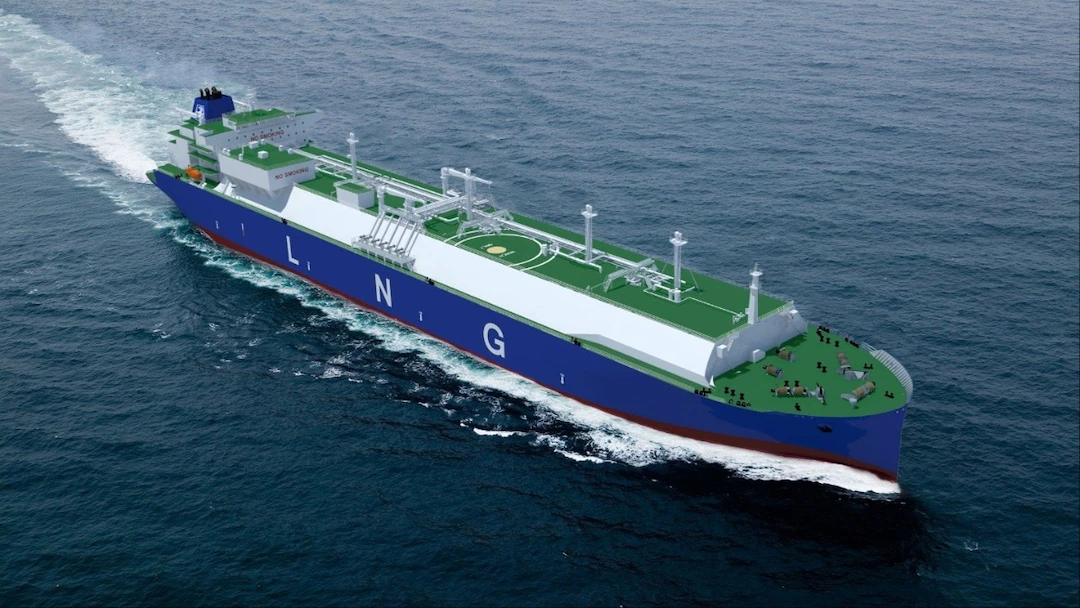
S&P Global Energy's vessel-tracking data shows a sharp decline in LNG tanker traffic through the Strait of Hormuz. The 10-day average of loaded LNG cargoes passing through the waterway reportedly fell from around 0.8 cargoes per day at the end of June to just 0.2 cargoes per day by July 15. Only one LNG cargo departed the Persian Gulf during the previous week, reflecting increased caution among shipowners following a reported attack on an LNG vessel earlier this month.
Despite slower exports, LNG production and loading operations at major facilities, including QatarEnergy LNG and ADNOC LNG, continue at normal levels. As a result, LNG inventories aboard waiting tankers inside the Gulf have increased. Analysts believe that if navigation through the Strait of Hormuz improves in the coming weeks, the accumulated cargoes could be exported quickly, helping restore normal global energy supplies.