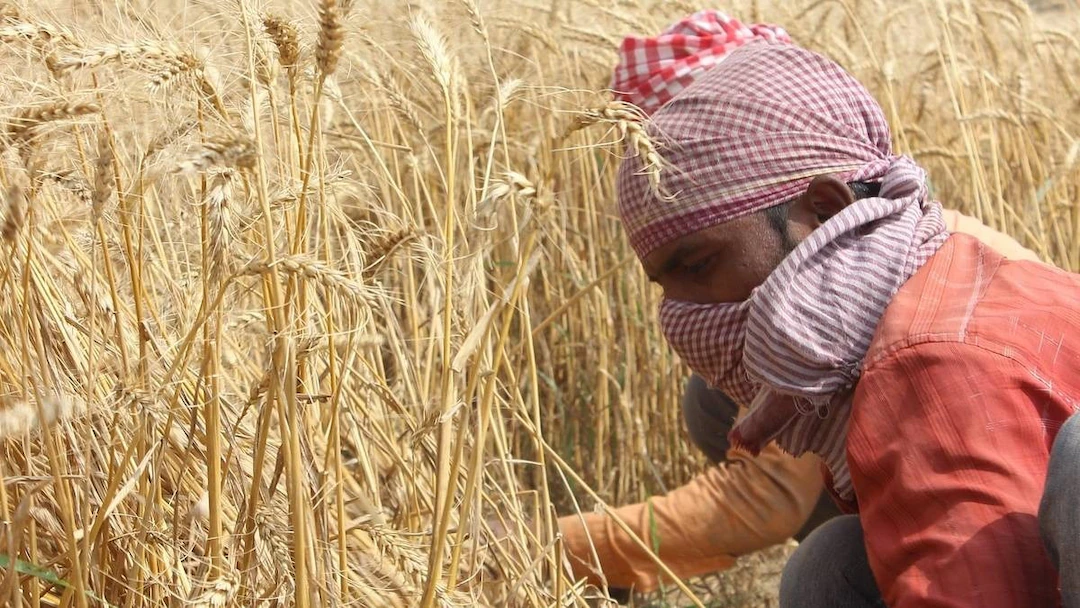
Rising Heat Puts India’s Wheat Harvest Under Threat
Brief By Newsbrief / 3:03 PM on 03 Jun 2026
Climate change is emerging as a major threat to India’s food security, with new research highlighting its growing impact on wheat production. A report titled “Wheat Under Stress: Climate Change, Rising Heat and Adaptation Pathways in India,” released by Climate Trends, reveals that rising temperatures—particularly warmer winters and increasing nighttime heat—are affecting both wheat yields and grain quality across the country’s key wheat-growing regions.
The study analyzed data from major wheat-producing states including Punjab, Haryana, Uttar Pradesh, Madhya Pradesh, and Gujarat. According to the report, wheat productivity growth has slowed significantly in states such as Punjab and Haryana over the past three decades. Researchers identified rising nighttime temperatures as one of the most underestimated yet serious risks to wheat cultivation.
Dr. Palak Balyan, Research Lead at Climate Trends and the report’s lead author, explained that warmer nights increase plant respiration, reducing the carbohydrate reserves required for grain development. As a result, wheat plants produce lower yields and poorer-quality grains. The report also notes that sudden temperature spikes during February and March shorten the grain-filling period, leading to smaller and shriveled wheat kernels.
The findings show that nighttime temperatures are rising faster than daytime temperatures across all major wheat-producing states. Gujarat has recorded one of the steepest increases, with nighttime warming occurring at nearly three times the rate of daytime temperature growth. February has emerged as the fastest-warming month, with temperatures increasing by approximately 0.69 degrees Celsius per decade.
Farmers interviewed in Punjab and Gujarat reported challenges including poor germination, reduced tillering, increased pest infestations, and declining crop quality. Small and marginal farmers are particularly vulnerable to these impacts.
Experts emphasize the urgent need for climate-smart agriculture, heat-tolerant wheat varieties, efficient irrigation systems, weather-based advisory services, and stronger financial protection mechanisms for farmers. The report concludes that rapid implementation of climate-resilient agricultural strategies will be essential to safeguard India’s future food security and rural livelihoods.