Tasar Silk Weaves a New Future for Tribal Families in Narayanpur
Brief By Newsbrief / 2:54 PM on 03 Jun 2026
Tasar silk production is emerging as a powerful tool for rural development and livelihood generation in Narayanpur district of Chhattisgarh. The state’s Tasar Silk Development and Expansion Programme has provided new economic opportunities to tribal and rural families who previously relied on agriculture and daily wage labor, often forcing them to migrate in search of employment.
Under the scheme, the Sericulture Department supports farmers and self-help groups by providing tasar silkworm eggs at a highly subsidized rate of just ₹2. Beneficiaries rear the silkworms for approximately 45 to 50 days, after which they harvest cocoons that become their primary source of income. The programme requires minimal investment and makes effective use of local forest resources.
One of the initiative’s key strengths is its assured marketing system. Farmers do not have to depend on private traders or middlemen. Instead, the department purchases cocoons through dedicated Cocoon Banks at government-fixed prices. Payments are transferred directly into beneficiaries’ bank accounts, ensuring transparency and fair compensation.
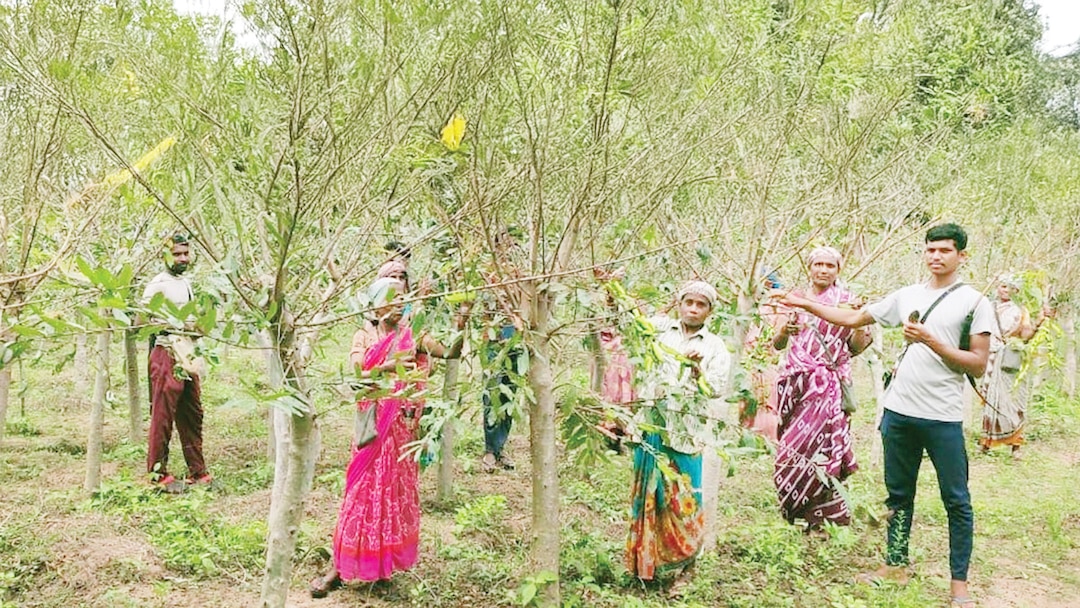
The Tasar Centre in Dumartarai village stands as a successful example of the programme’s impact. During the 2025–26 financial year, a group of 15 beneficiaries, including 10 women and 5 men, collectively produced 211,167 cocoons. Their production generated a total income of ₹9.34 lakh, with each participant earning an average additional income of about ₹62,328.
The programme has had a particularly positive impact on women. Direct payments into their bank accounts have strengthened their financial independence and increased their participation in household decision-making. Beyond silkworm rearing, beneficiaries also receive employment opportunities in plantation maintenance, weeding, and conservation activities throughout the year.
By creating sustainable local employment, reducing migration, and improving household incomes, Tasar silk production has become a model of rural self-reliance. The initiative is not only strengthening the local economy but also promoting women’s empowerment and inclusive development across the Bastar region.