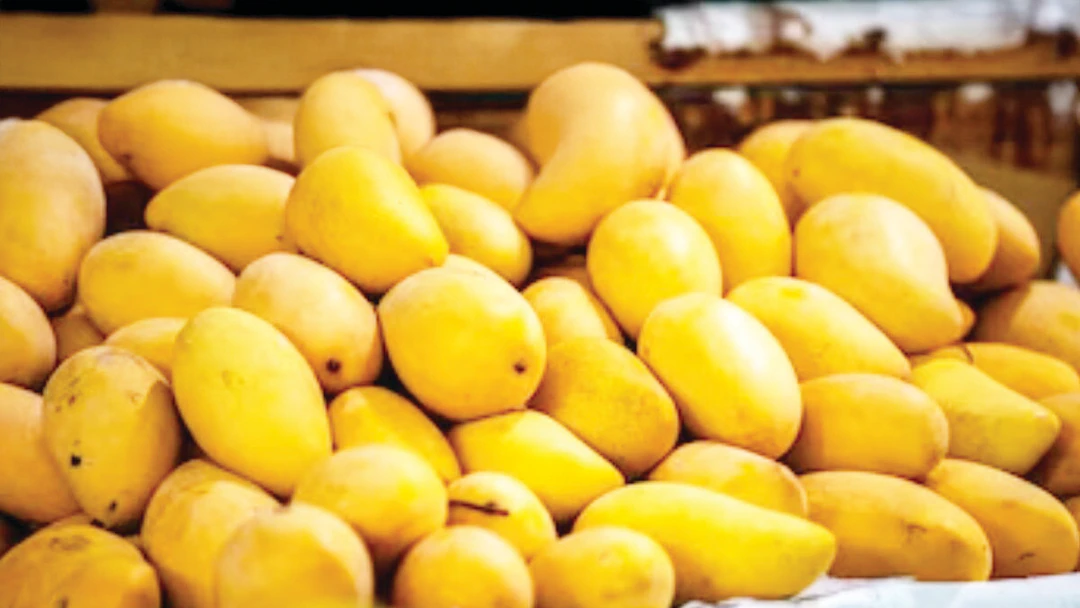
Japan Bans Indian Mango Imports Again After 20 Years
Brief By Newsbrief / 4:26 PM on 29 May 2026
Japan has imposed a fresh ban on the import of Indian mangoes nearly two decades after lifting a previous restriction. The decision has created concern among Indian exporters and mango growers, especially those involved in premium export markets.
According to reports, Japan’s Yokohama Plant Protection Station announced that mango consignments carrying inspection certificates issued by India on or after March 25, 2026, would no longer be accepted. The move came after Japanese quarantine officials inspected an Indian treatment facility in Rahmanpur, Uttar Pradesh, and reportedly found deficiencies in the fumigation and disinfection systems used for mango exports.
India exports popular mango varieties such as Alphonso, Kesar, Langra, and Banganapalli to Japan. To meet Japan’s strict quality standards, India had earlier developed advanced Vapor Heat Treatment (VHT) systems. The first major VHT plant was established in Tirupati in 2007, followed by several modern facilities aimed at ensuring export-quality compliance.
Exporters have questioned the blanket nature of the ban. Akram Beg, owner of Dr Nature and a mango exporter from Uttar Pradesh, reportedly said it was difficult to understand why all Indian facilities were being rejected together despite years of compliance with Japanese standards.
Although Japan is not India’s largest mango market, it is considered an important premium destination. India exported mangoes worth nearly $2 million to Japan last year, with Gujarat’s Kesar mangoes accounting for a major share.
Mango Growers Association of India president S. Inseram Ali said the Indian government is currently in discussions with Japanese authorities to resolve the matter. However, since the mango season is nearing its end, exporters fear immediate relief may not come soon.