Iran-US Tensions Now Threaten Global Internet Connectivity
Brief By Newsbrief / 1:55 PM on 20 May 2026
Rising tensions between Iran and the United States are no longer limited to military conflict and oil prices. The impact is now extending to global internet infrastructure, creating concerns for countries and businesses worldwide. What began as geopolitical and military tensions is gradually affecting shipping routes, global supply chains, financial markets, and now even digital connectivity.
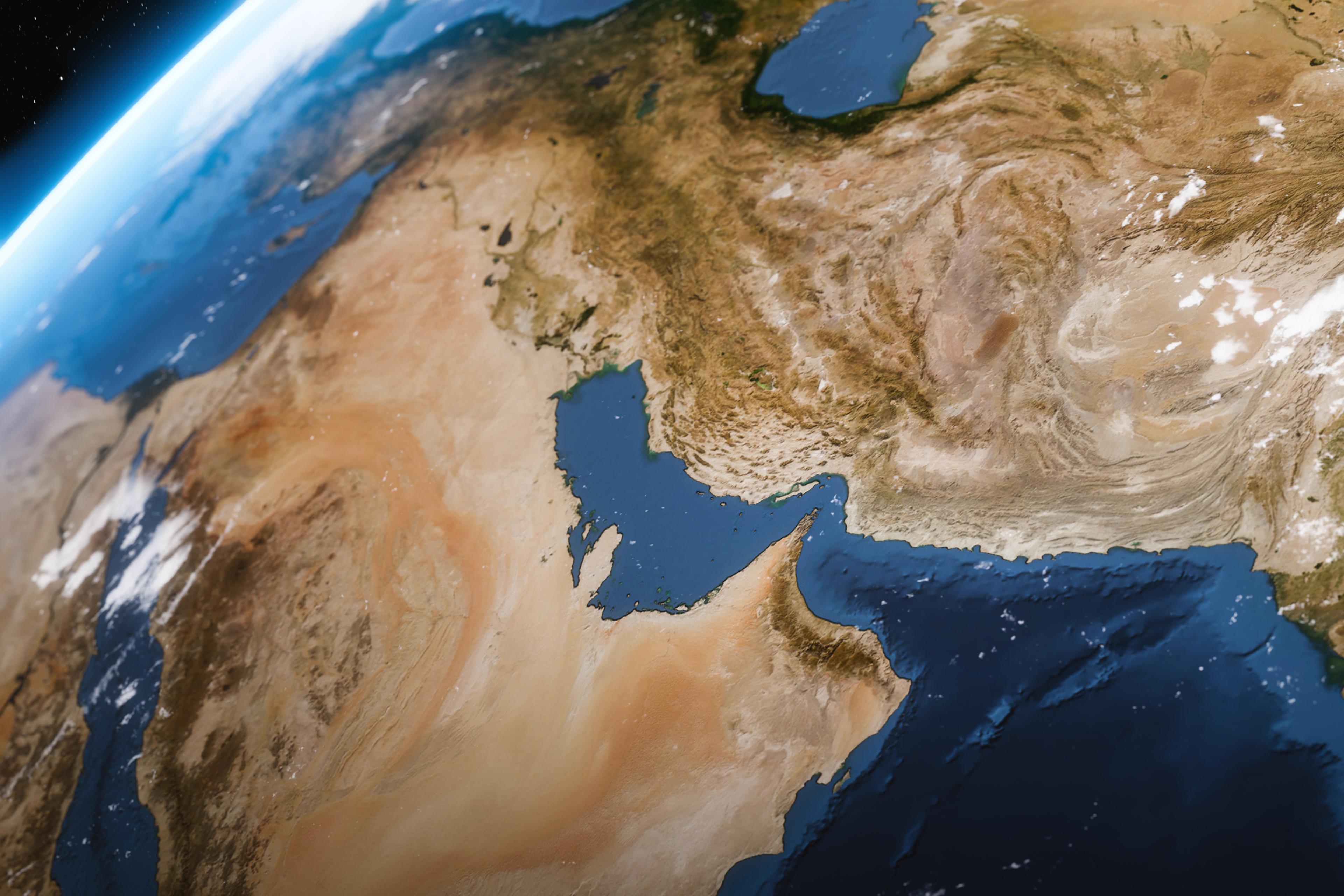
Recently, Iranian military spokesperson Ebrahim Zolfaqari stated on the social media platform that Iran could impose charges on undersea internet cables passing through its strategic waters. This statement has sparked global concern because a significant portion of the world’s internet traffic relies on submarine fiber-optic cables laid beneath the oceans.
Data analysis and reports suggest that the Strait of Hormuz hosts a major network of international internet cables. The region is not only critical for global oil transportation but also serves as a key digital corridor connecting Asia, Africa, and Europe. Major submarine cable systems passing through the area include FALCON, GBICS, 2Africa, SeaMeWe 6, and AAE-1.
The issue is particularly important for India because several of these cables directly connect to Indian cities such as Mumbai and Chennai. These networks support internet connectivity between India, Gulf nations, Europe, and Africa. Major telecom operators like Bharti Airtel and Reliance Jio also depend on these global cable systems.
In today’s digital world, internet services are essential for banking, UPI payments, office operations, online education, video streaming, and cloud data management. Any disruption, slowdown, or increase in costs related to these cables could directly impact millions of users. Experts warn that repairing damaged undersea cables is also a difficult and time-consuming process, making the situation even more sensitive.